

North Atlanta, Georgia is home to a stunning array of ecosystems, but the region’s growing suburban development has added unique challenges when it comes to wildlife management. When natural habitats are replaced by development, animals seek food and shelter in attics, crawlspaces, and yards.
Seasonal changes also drive wildlife indoors. During winter, animals like bats, rodents, and raccoons seek out warm, hidden spaces, while nesting season brings squirrels and birds looking for places to raise their young.
For over 20 years, we’ve provided homeowners and businesses across Marietta and North Atlanta, Georgia with science-based wildlife exclusion services. By securing access points and addressing attractants, we deliver effective, long-term solutions to help you keep nature outside where it belongs while preserving the delicate balance of our region’s ecosystems.
Our approach is holistic, focusing not only on immediate wildlife issues but also on future prevention. This ensures that your property remains protected year-round by identifying potential entry points and vulnerabilities before they become problematic. Education is also a cornerstone of our service; we provide our clients with the knowledge and tools to sustain these protective measures once our job is done.
Call or contact us online for a free quote on our exclusion services.
Wildlife exclusion is about more than just driving animals away—it’s about creating barriers and conditions that prevent future infestations. Our exclusion process is backed by years of hands-on experience and the use of advanced tools and techniques.
Step 1: Inspection & Discovery
The first step is a comprehensive inspection of your property to identify how wildlife is entering. Many animals, like rodents, use tiny cracks or gaps in your foundation. Squirrels or raccoons might exploit open soffits, while bats prefer gaps along your roofline.
During this phase, we also utilize specialized tools such as moisture meters, UV lights, and telescoping cameras. These allow us to identify even the smallest or hardest-to-see entry points, from crawl spaces to attic corners. Finding every possible way an animal could be entering is critical for successful exclusion.
This exhaustive process ensures no potential entry point is missed, enhancing the long-term effectiveness of the exclusion. We understand the specific behaviors and tendencies of local wildlife in Marietta, which enables us to tailor our inspections uniquely to your property. Our mission goes beyond mere removal; we aim to provide peace of mind by ensuring your home is a wildlife-free zone.
Step 2: Sealing Entry Points
Once entry points are identified, our technicians carefully seal them off using durable, weather-resistant materials. Depending on the area, this may include custom barriers. Openings used by protected species, like bats, will be handled with additional care to comply with state and federal guidelines.
Our materials are chosen for both effectiveness and longevity, ensuring that once a point is sealed, it remains sealed against the toughest of challenges. Techniques such as custom-fitted barriers and innovative sealing compounds are employed to cater to your property’s unique architecture, ensuring that aesthetic value is maintained while security is enhanced.
Step 3: Prevention & Maintenance
Beyond sealing entry points, wildlife exclusion often includes advising property owners on preventative measures. This might involve managing landscaping, such as trimming overhanging branches or removing food sources like fallen fruit or bird feeders. Ongoing maintenance is also recommended to ensure gaps don’t reopen over time due to weather or structural changes.
With a combination of expert techniques and preventive action, wildlife exclusion keeps your home safe without harming the animals.
When faced with a wildlife problem, choosing exclusion over extermination or removal is not only effective but also ethical. Here’s why:
A Humane Solution
Exclusion focuses on preventing wildlife from entering your property rather than harming or killing them. This humane approach respects the delicate balance of North Atlanta, Georgia’s ecosystems. Animals like bats, snakes, and even raccoons play crucial roles in pest control and biodiversity, making every species an important part of the larger picture.
Implementing exclusion techniques means you won’t have to deal with the repercussions of dead animals on your property or the interruption of local food chains that could lead to overpopulation of other species. This method aligns with modern ecological responsibility and sets a standard for compassionate environmental stewardship.
Long-Term Benefits
While extermination or removal might seem like a quick fix, these methods often lead to recurring problems. For instance, if you remove a raccoon from your attic but don’t seal the entry point, another animal may soon take its place. Exclusion solves the root problem—access—providing a longer-lasting and reliable solution.
Regulatory Compliance in Marietta
Georgia has strict laws regarding the handling of wildlife, particularly protected species like bats. Violating these regulations, even unintentionally, can result in steep fines. Exclusion not only complies with these laws but ensures animals are treated safely and appropriately, minimizing legal concerns for homeowners and businesses.
Ensuring adherence to wildlife regulations protects homeowners from potential legal challenges and preserves the integrity of the environment. It also reflects a commitment to ethical practices, reinforcing your decision to choose a service centered on both problem-solving and conservation.
When you live in a beautiful area like North Atlanta, Georgia, you’re inevitably sharing it with wildlife. Below are some of the most common species that can be dealt with using comprehensive exclusion strategies.
Raccoons
Raccoons are smart, curious, and opportunistic. They’re skilled at getting into attics, basements, and chimneys in search of food. While they may look cute, raccoons can be a major nuisance. Once inside, they can cause structural damage, leave behind waste, and even pose health risks through the spread of diseases like rabies and roundworm. Their ability to climb and manipulate objects makes them one of the trickiest species to keep out.
Preventing raccoon infestations requires more than just exclusion; it involves understanding their habits and dissuading these creatures from returning. This might involve strategically placing deterrents and educating homeowners on removing easy food sources like pet food left outdoors or unprotected garbage bins.
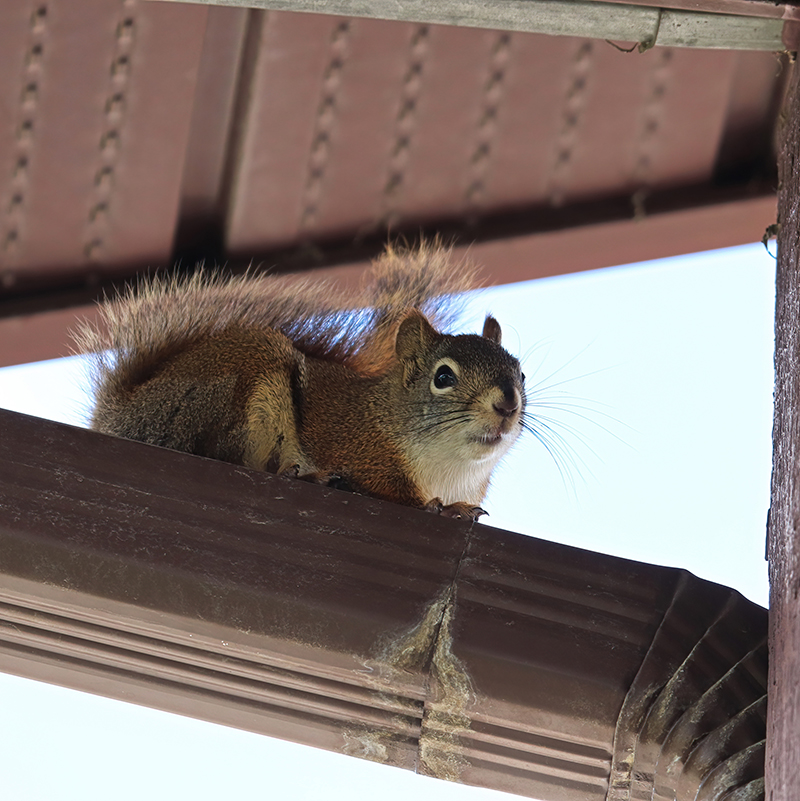
Squirrels
With their impressive climbing abilities, squirrels often find rooflines and attic spaces irresistible. These energetic rodents can squeeze through openings as small as a couple of inches. Once inside, they can chew through wiring, wood, and insulation, creating fire hazards and expensive repair bills. Exclusion techniques focus on sealing entry points and managing tree canopy growth near your property to keep these busy critters out.
Effective squirrel management also requires regular property assessments to address new potential entry points and recommend structural or vegetation adjustments, ensuring your home remains safeguarded from these persistent visitors.
Bats
Bats are vital for our ecosystem, helping to keep insect populations under control. However, that doesn’t mean you want them roosting in your attic. Bat droppings, or guano, can cause respiratory issues in humans. In Georgia, strict regulations prohibit handling bats indiscriminately, and exclusion activities are prohibited during maternity season. We are knowledgeable about local regulations and are equipped to work around restrictions.
Handling bats requires a well-versed understanding of their behaviors and season-specific habits. It’s essential to schedule exclusions at the appropriate time of year, typically after maternity season, to ensure both legality and the continued health of bat populations.
Rodents
Rodents are a year-round problem in many homes, especially in urban and suburban areas. These small creatures can slip through minute cracks and holes. Inside, they breed rapidly and chew through everything from stored food items to electrical cables. Rodent infestations carry health risks like Hantavirus and salmonella, making exclusion a key preventative step to protect your home.
Proactive rodent control can involve not only exclusion methods but also sanitation practices and potential habitat modification to reduce nesting opportunities. Education on how to maintain these standards effectively can further extend protection for your home.
Birds
While birds might seem harmless, certain species like pigeons and starlings can become pests. They create nests in vents, eaves, or gutters, obstructing airflow or causing water damage. Cleaning up bird droppings is also a health hazard due to the risk of histoplasmosis. Exclusion measures such as mesh installations and deterrents are highly effective in keeping them away.
Long-term bird management often includes deterrence strategies, such as reflective objects or sound devices, and ongoing maintenance checks to ensure exclusion materials remain intact and functional despite weathering.
Snakes
Though snakes play an important role in controlling rodent populations, they’re not welcome visitors inside homes or close to where children and pets play. Exclusion services for snakes involve sealing gaps, especially around foundations and crawl spaces, to minimize entry points. Managing rodent populations also helps, as they are a primary food source for snakes.
In addition to sealing properties, informing homeowners about safe snake deterrence and management practices can further reduce potential encounters and encourage respect and understanding of their ecological importance.
Allowing wildlife to roam freely around or within your property can lead to a host of problems.
Here’s why keeping them out is essential:
Besides these concerns, it’s also worth considering the impact on your neighborhood’s ecosystem and potential legal implications of harboring protected species without correct permits. Ensuring that wildlife remains outside your property promotes a safer, more regulated environment in your community.
Keeping wildlife at bay starts with smart prevention strategies.
Here’s how you can make your property less inviting:
Creating a wildlife deterrent plan is also crucial. Consider humane deterrents and the installation of automated systems like motion-activated lights or sprinklers to further discourage unwelcome visitors. Regularly reassessing your property’s security measures helps in adapting to changing wildlife patterns.
Are Your Wildlife Exclusion Methods Safe?
Yes, our exclusion methods are designed to be safe and humane. We use non-lethal techniques to prevent wildlife from entering your home. Our priority is to protect both your property and the animals involved, ensuring we follow all local and federal guidelines for wildlife management. By using eco-friendly materials and methods, we minimize the environmental impact of our work.
How Long Does the Wildlife Exclusion Process Take?
The duration of the wildlife exclusion process can vary depending on the extent of the infestation and the specific challenges presented by your property. Generally, it involves an initial inspection, followed by sealing of entry points and implementing preventative measures. We aim to complete the process efficiently while ensuring thorough protection, typically within a few days.
Why Is Local Knowledge Important in Wildlife Exclusion?
Local knowledge is vital because it allows us to understand the specific wildlife behaviors and challenges unique to Marietta. This insight helps us tailor our approaches to effectively manage and prevent wildlife issues. Being familiar with local regulations and ecological dynamics ensures our methods are both compliant and environmentally sound, providing peace of mind and a safer home environment.
Do You Offer Emergency Services for Wildlife Incursions?
Yes, we offer emergency services to address urgent wildlife situations. If you encounter a sudden wildlife intrusion, our team is ready to respond promptly to secure your property and prevent further issues.


890 Sylvan Drive
Marietta, GA 30066


